High-Power Laser

ANTI-REFLECTIve STRUCTUREs FOR HIGH-POWER LASER

The concept of high-power laser

High-power lasers are laser systems capable of delivering very high energy density, either continuously (high average power) or in short, intense pulses (high peak power). Their uses are growing and span industrial manufacturing (cutting, welding, drilling, surface treatment), semiconductor and display fabrication, medical procedures (e.g. surgery, ophthalmology), scientific research (particle acceleration, plasma physics), defence, and emerging photonic technologies (e.g. quantum technologies). 

Increasing the working power is mainly limited by thermal, optical, and material-related issues. As power rises, heat generated in the gain medium and optical components leads to thermal lensing, mechanical stress, and wavefront distortions that degrade beam quality and stability. Optical coatings and bulk materials face laser-induced damage, absorption-driven heating, and long-term fatigue, especially at high intensities or short wavelengths. Nonlinear optical effects such as self-focusing, stimulated scattering, and filamentation further limit power scaling by destabilizing the beam. In addition, efficient heat extraction, power-scalable architectures, and system size and cost become increasingly challenging. Together, these constraints mean that advancing high-power laser performance depends not only on better laser designs, but also on improved materials, coatings, and thermal management solutions that can tolerate extreme optical and thermal loads.

Our optical elements for high-power laser

SOLNIL delivers high-performance optics for high power lasers: anti-reflective structures based on thin films and on moth-eye meta-surfaces, as well as diffractive structures. 

MOTH EYE ANTI-REFLECTION COATINGS

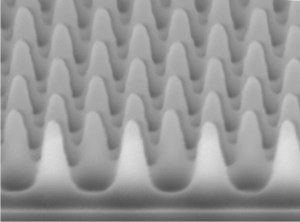
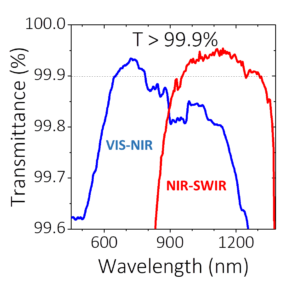
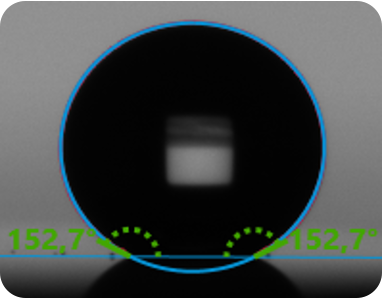
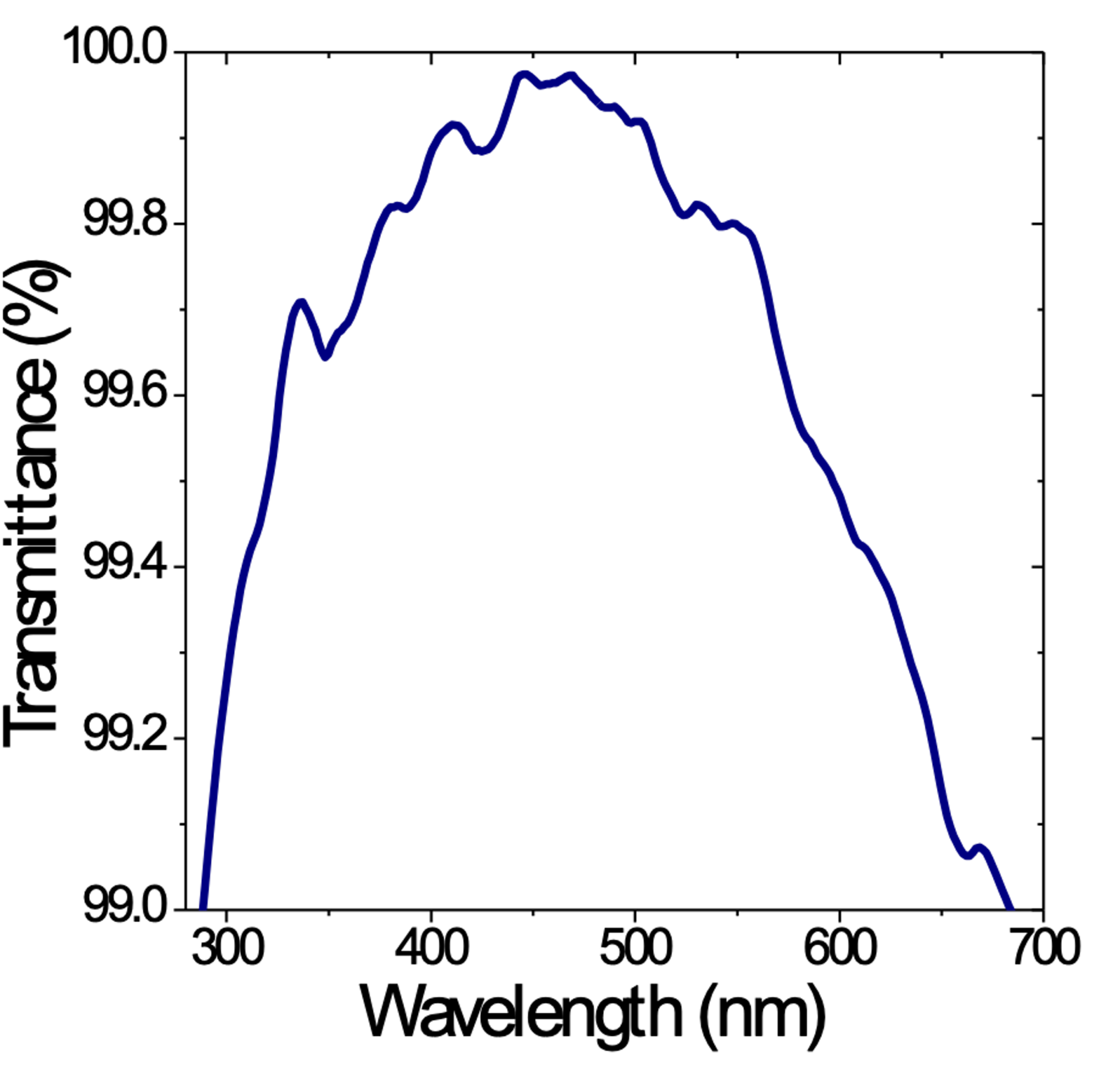
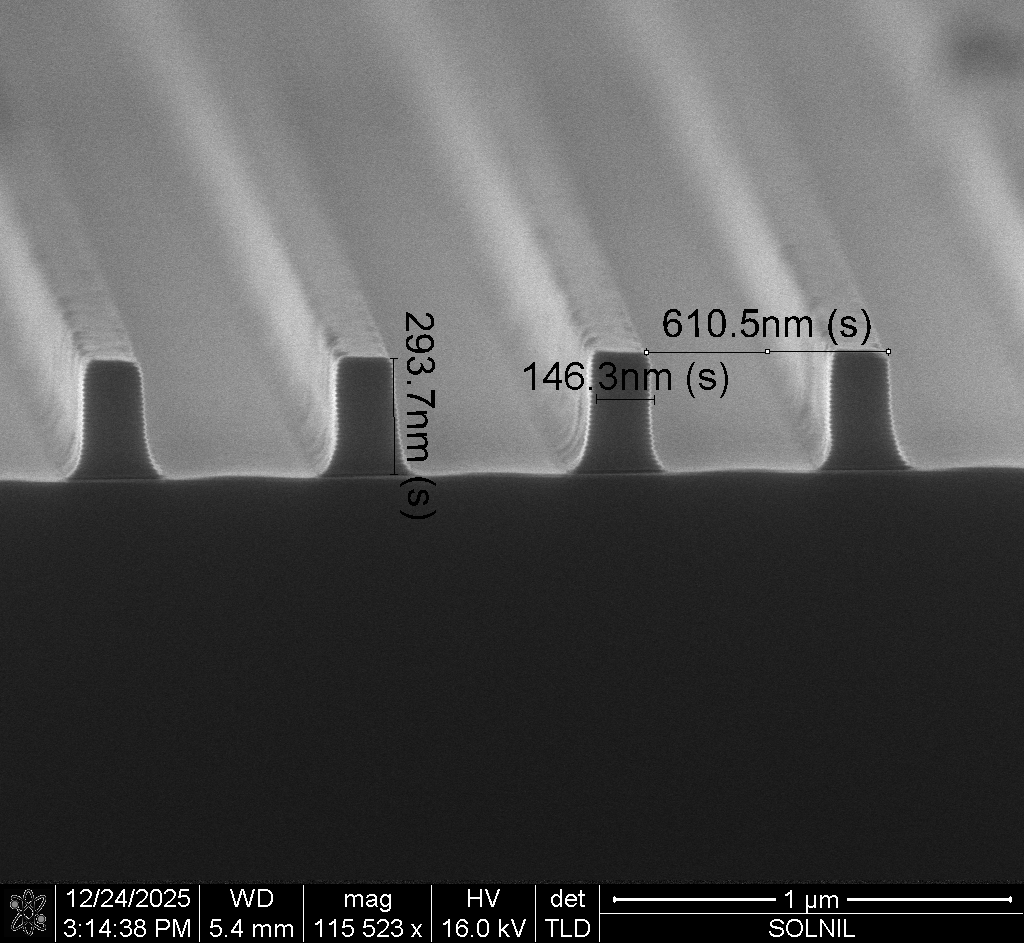
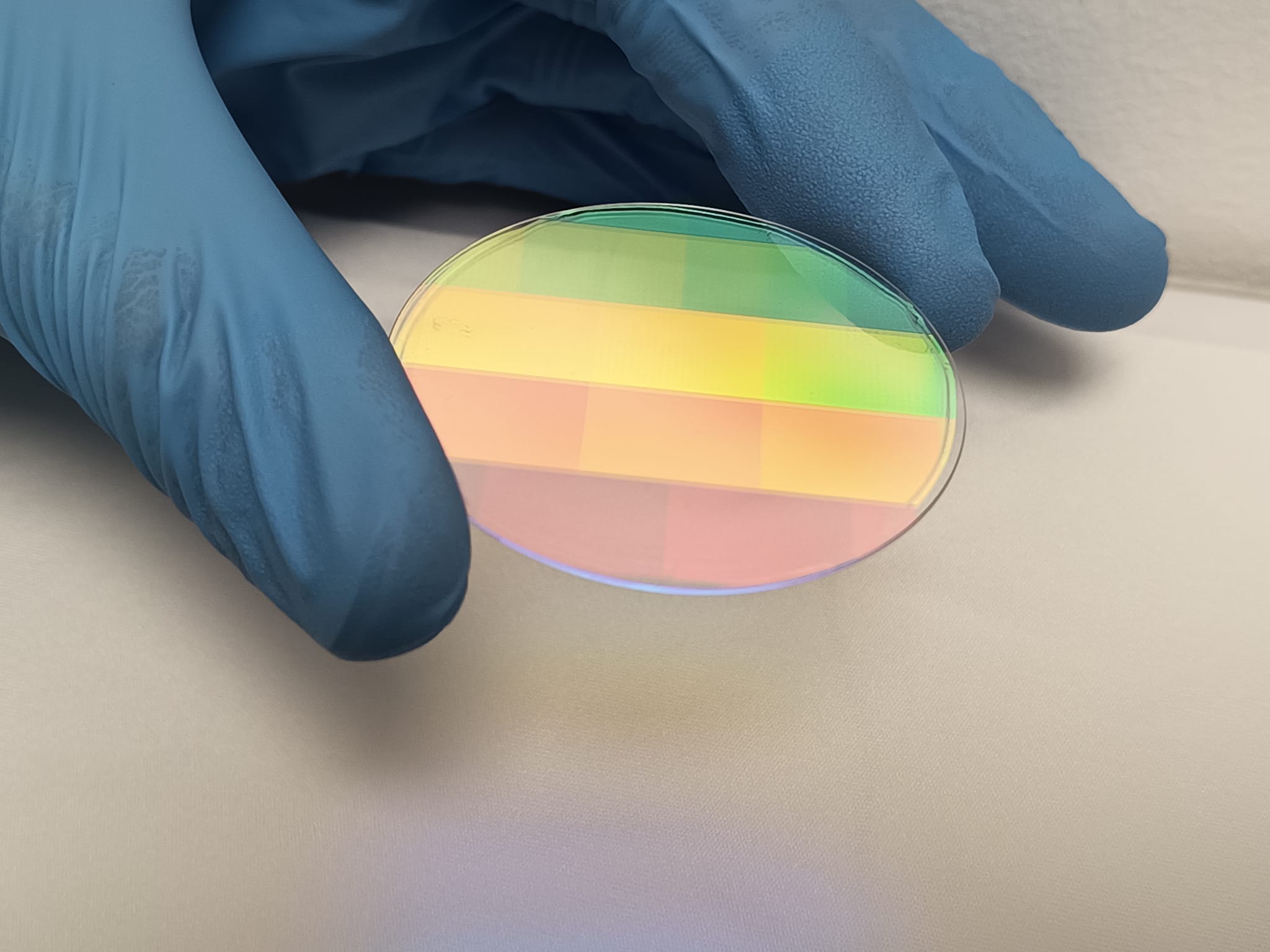
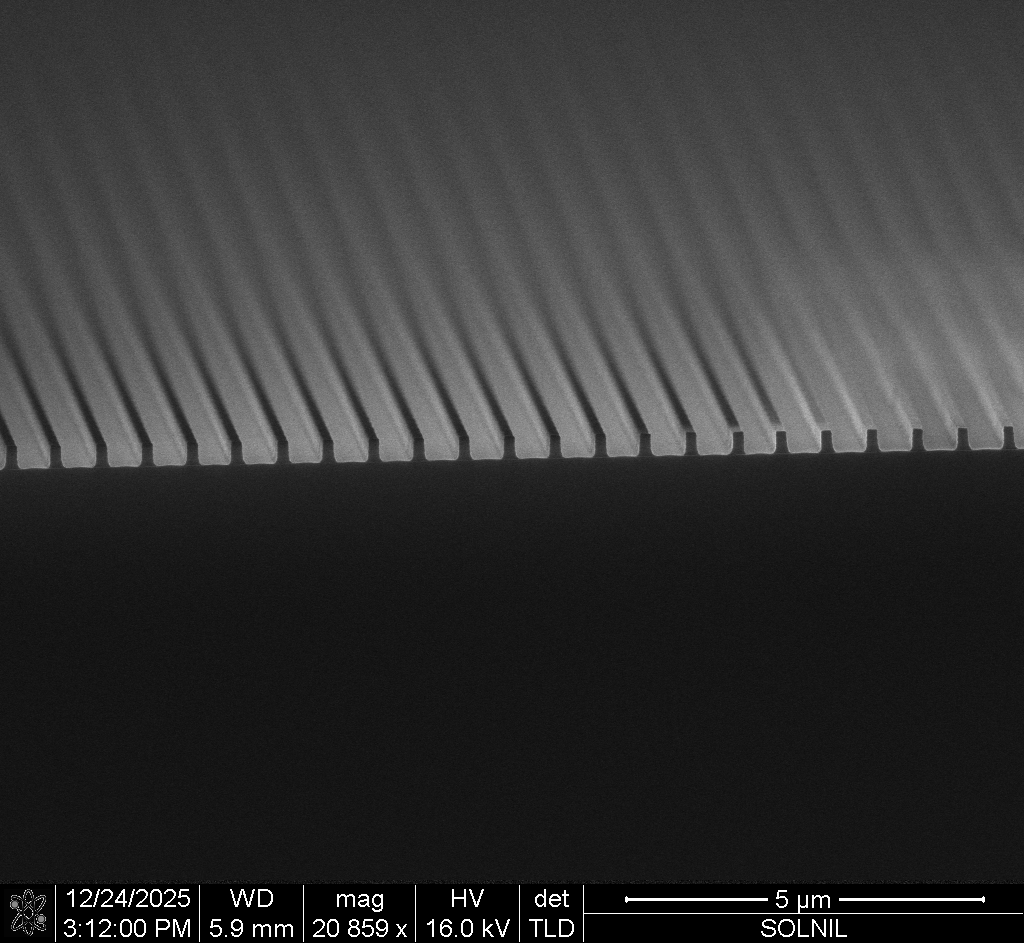
SOLNIL’s direct nano-imprint method produces broadband and wide-angle anti-reflection nanostructures and diffraction gratings on substrates such as glass, fused silica and sapphire with high optical quality and high water repellence at low cost on flat and curved surfaces on up to 150 mm diameter substrates. By adjusting the size and period of the patterned features, the target wavelengths can be tuned in the visible-near-IR bands (blue curve ‘VIS-NIR’) as well as near-IR-SWIR bands (red curve ‘NIR-SWIR’). 

WIDE-ANGLE, WATER-REPPELENT BROAD-BAND AR COATINGS

Image_Water_Contact_Angle_Solnil

SOLNIL’s nano-imprinted moth-eye anti-reflection coatings exhibit very high laser-induced damage thresholds, approaching the limits of the underlying fused-silica substrate.

Why is it different?

High Lidt
Broad band
Wide angle

Performance and practical usage for high-power laser

MOTH EYE ARC NIR-SWIR COATING

DAMAGE THRESHOLDS:

● LIDT > 40 J/cm². R-ON-1, 1064 nm, 10Hz, 7ns, ~390 μm beam waist.

● LIDT > 40 J/cm². S-ON-1, 1064 nm, 10 Hz, 12 ns pulses, 220 μm beam waist.

 LIDT > 40 J/cm². Raster Scan, 1064 nm, 10 Hz, 12 ns pulses, over 1 cm², ~400 μm beam waist.

No fatigue nor incubation effects were observed in s-on-one tests (LIDT constant from 1 to 1000 pulses).

MOTH EYE ARC VIS-NIR COATING

DAMAGE THRESHOLDS:

● LIDT > 40 J/cm². R-ON-1, 1064 nm, 10Hz, 7ns, ~390 μm beam waist.

● LIDT > 50 J/cm². R-ON-1, 532 nm, 10Hz, 7ns, ~270 μm beam waist.

Reflection
< 0.5%/face
Spectral Bandwidth
400 < λ < 1400 nm 800 < λ < 2000 nm
Materials
Hydrophobic SiO₂
Water Contact Angle
Up to 150°
Wafer size and thickness

Diameter: from 12.5 to 100 mm

Thickness: standard 500 μm. Other thickness are available on request

THIN FILM INTERFERENTIAL ARC COATINGS

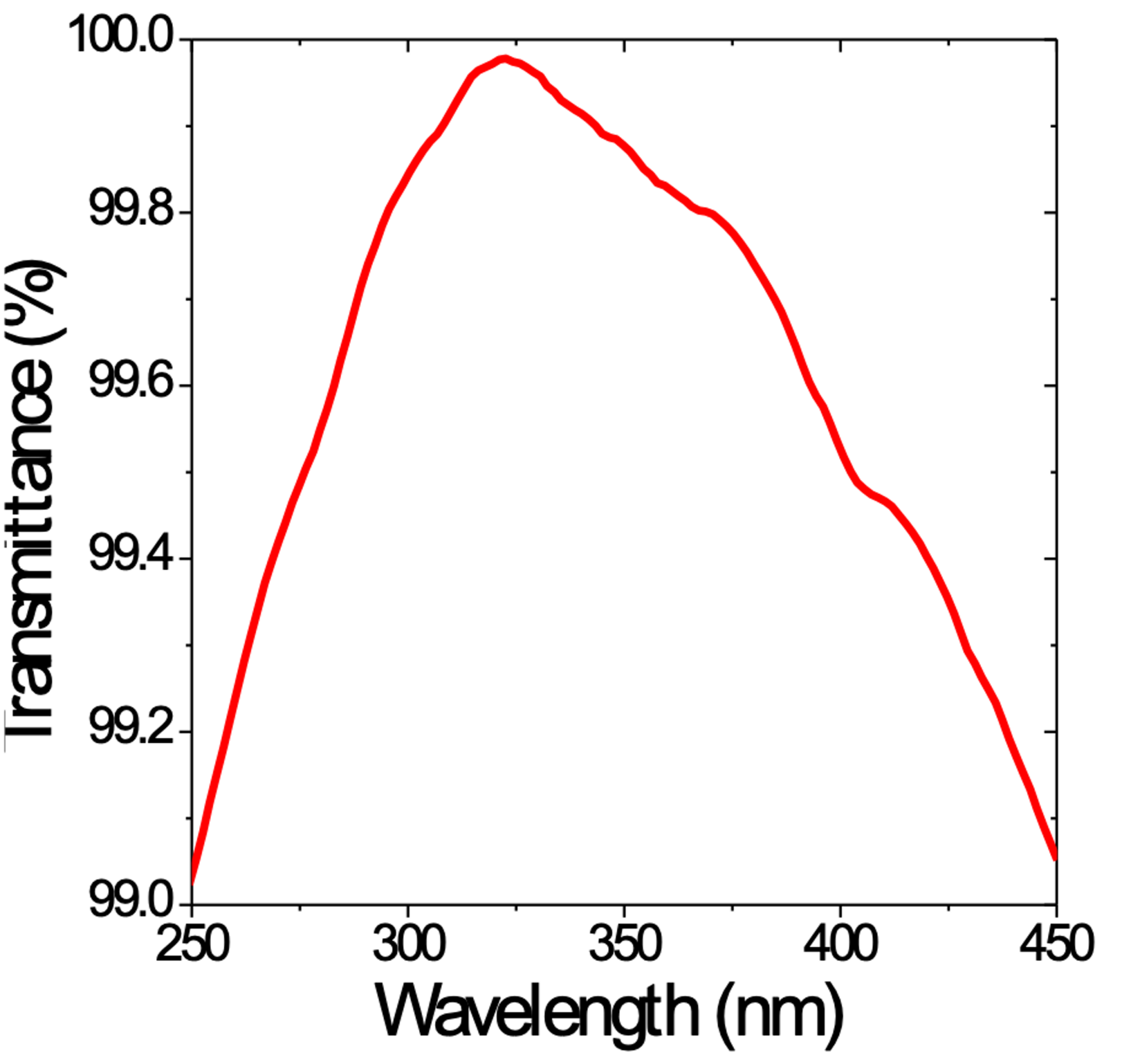
SOLNIL delivers custom made thin film-based ARCs. Adjusting the refractive index of the sol-gel material to match the square root of the refractive index of the substrate, we provide high quality UV-coating adapted to 344-355 nm UV lasers. Combing two materials with precisely engineered refractive indices, we obtain broad-band ARCs.

INTERFERENTIAL AR COATINGS

ARC UV, mono-layer

Graphique_ARC UV mono-layer_Solnil

ARC UV-VIS, mono-layer

Graphique_ARC UV-VIS mono-layer_Solnil

ARC NIR-SWIR, bi-layer

Graphique_ARC
DAMAGE THRESHOLDS FOR THE ARC UV, mono-layer:

● LIDT > 80 J/cm². R-ON-1,1064 nm, 10Hz, 7ns, Beam Diameter 390 μm.

● LIDT > 50 J/cm². R-ON-1, 532 nm, 10Hz, 7ns, Beam Diameter 390 μm.

LIDT > 20 J/cm². R-ON-1, 355 nm, 10Hz, 7ns, Beam Diameter 316μm.

These high thresholds arise from SOLNIL’s inorganic metal-oxide structures with low absorption and excellent thermal and mechanical stability when cured, making them suitable for demanding applications like industrial lasers, lidar, and directed-energy optics where high fluence resistance is essential.


Why this matters: High LIDT means the ARC doesn’t fail under intense pulses or high average power, reducing reflection losses and risk of coating damage- a key requirement for reliability in high-power laser optics.

WATER-REPPELENT DIFFRACTION GRATINGS

The same materials used to produce moth-eyes and interferential ARC can be used to produce diffraction gratings with the same stability.  

Are you developing the optics of the future?
This is what solnil does.​

To discuss your technical needs or to initiate a collaboration, contact our team.