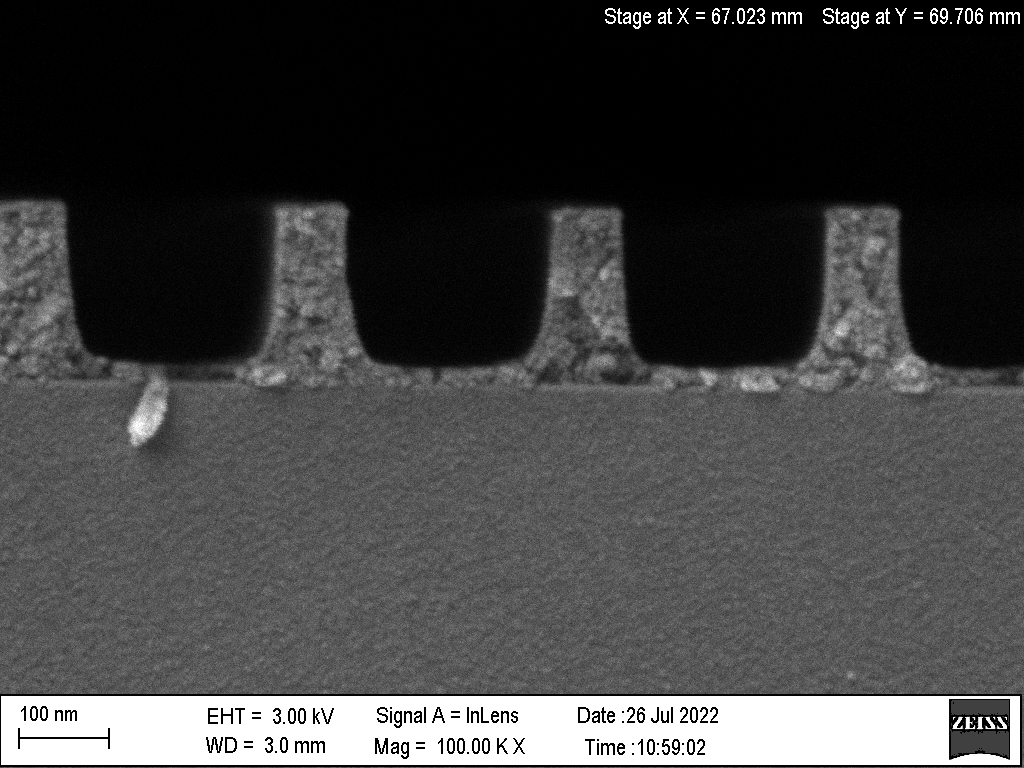
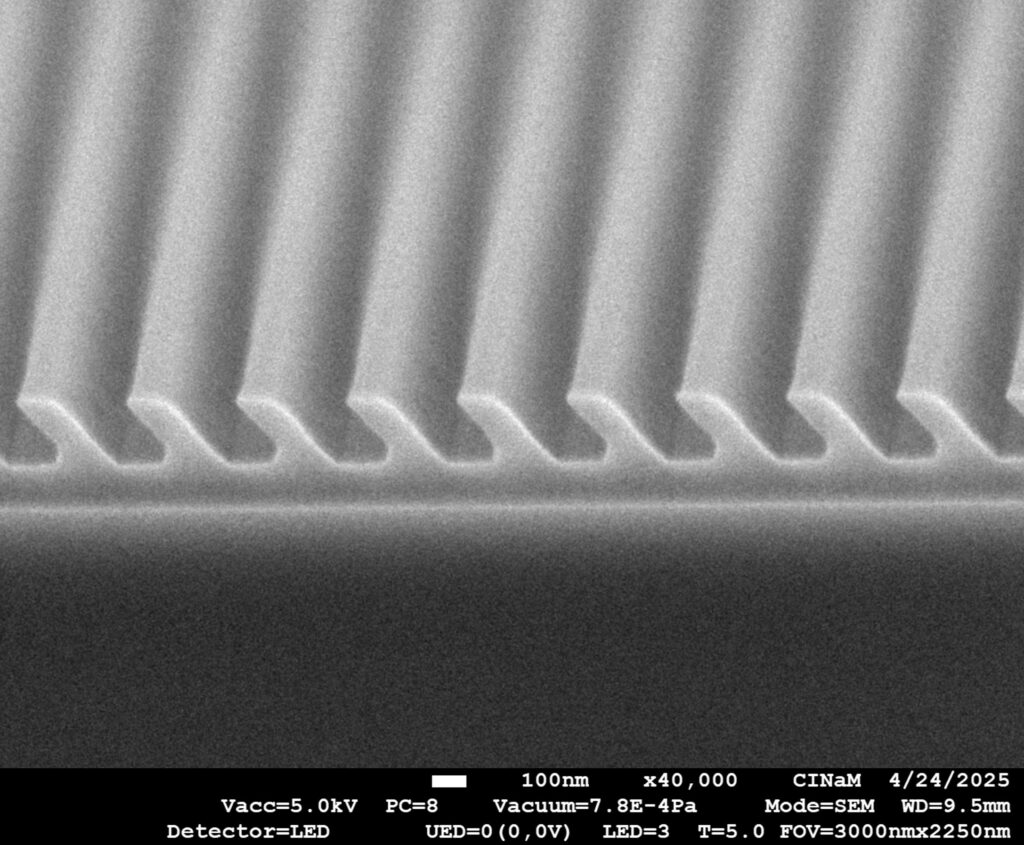
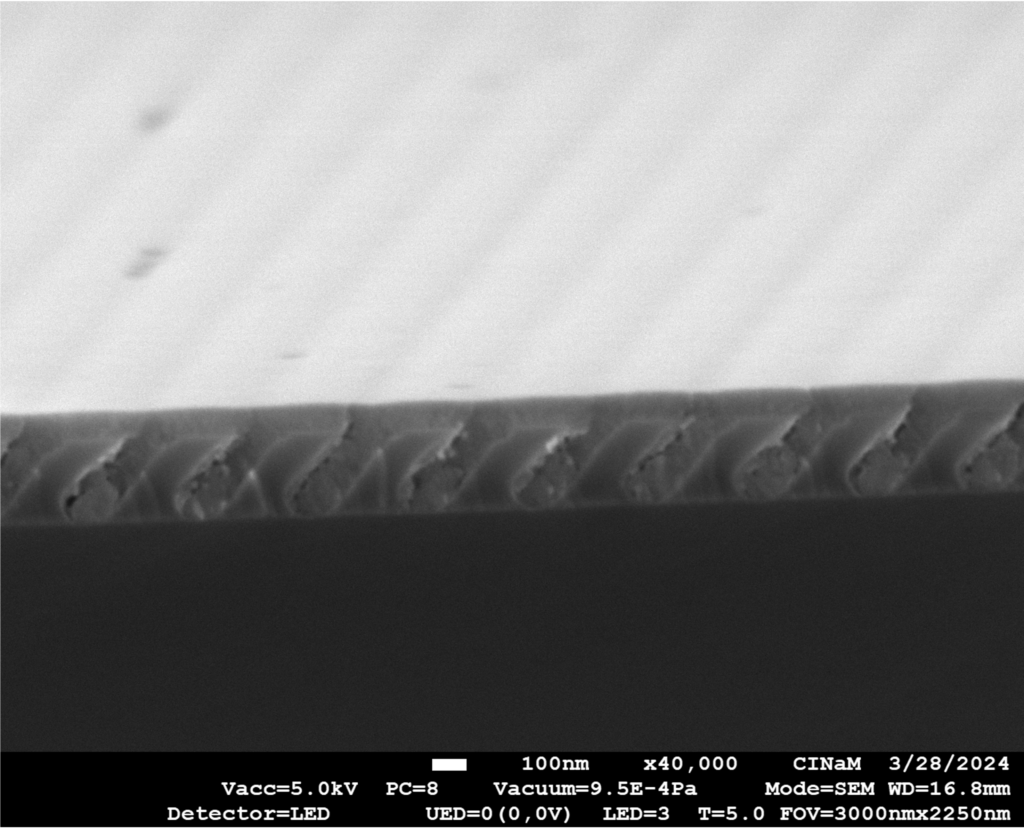
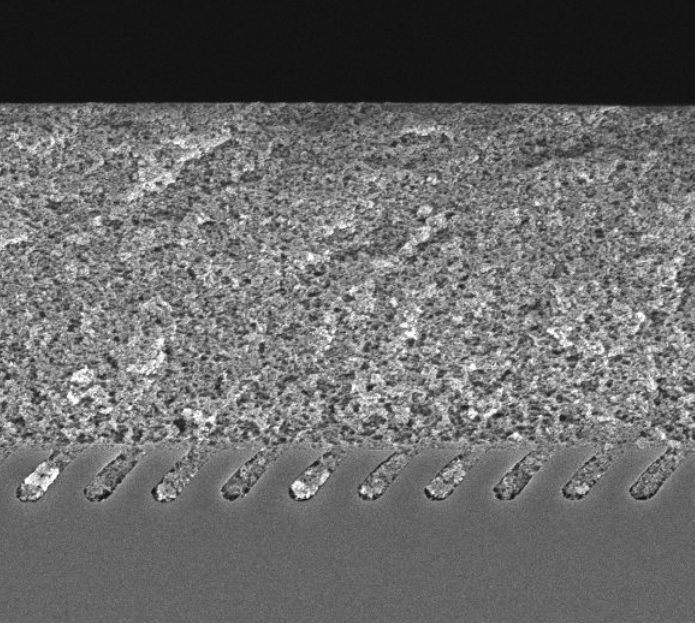
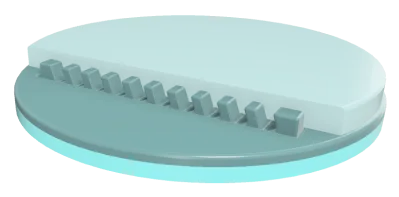
Near-Eye Displays (NEDs) are optical systems used in AR and VR headsets to project digital content directly into the user’s eyes. They employ waveguides, and metasurfaces to create high-resolution and immersive visual experiences.Key challenges include improving field of view, resolution, transparency, and minimizing eye strain. AR is unique because it enhances human perception instead of replacing it, making digital information part of everyday reality rather than a separate virtual space.

Unlike Virtual Reality, AR keeps the user grounded in the physical world while enhancing it with digital information. You still see your surroundings-just smarter, richer, and more informative.
AR content is spatially and contextually anchored to the real environment. Digital objects know where they are relative to the user and the world, making interactions intuitive and meaningful.
Especially with near-eye displays and smart glasses, AR enables continuous, hands-free access to information without breaking immersion or attention.
AR responds instantly to user movement, gaze, and environment changes, creating a seamless experience that feels natural rather than mediated.
The same AR platform can serve entertainment, industrial maintenance, healthcare, education, navigation, and social interaction-something few technologies can do simultaneously.
AR turns vision itself into an interface, reducing the need for screens, keyboards, or controllers and enabling more natural human–machine interaction.
Current AR devices show clear technological progress but still face limitations in field of view, brightness, power efficiency, and compact optics.
Solnil’s technology takes part in making AR fully immersive and all-day wearable.
AR device reliability has improved, particularly in enterprise environments, but remains a challenge for mass consumer adoption.
Solnil targets the development of reliable and low-cost fabrication processes for NEDs.
AR systems offer accurate spatial tracking and stable image placement, however optical precision and high clarity remains a key challenge.
Solnil’s unique materials enable visual artefacts and eye strain reduction.
Materials must be as transparent as possible to prevent optical losses.
Material refractive index must be as high as possible to increase the field of view.
Materials must be easily processed.
RI = 2.6 => Very High FOV = 62 deg.
RI = 2.3 => High FOV = 51 deg.
RI = 2 => Low FOV = 32 deg.
To discuss your technical needs or to initiate a collaboration, contact our team.